

Herbal Remedies for Common Ailments

⚠️ Important Note: These natural remedies are traditional wellness practices and are not intended to diagnose, treat, or cure illness. Always consult a healthcare professional if symptoms are severe, persistent or worsening.
Cold & Flu
Along with herbal teas and tonics, these simple natural remedies can help support your body during cold and flu season. They focus on easing symptoms, boosting immunity, and promoting faster recovery. Below are simple teas, tonics, and traditional blends using common ingredients.
Ginger Tea → reduces inflammation, warms the body
Honey & Lemon → soothes throat, supports immunity
Garlic → natural antimicrobial
Tip: Sip warm fluids all day.


Lemon, Honey & Ginger Tea
A classic immune-supporting tea that helps ease throat irritation and congestion.
INGREDIENTS:
- Juice of 1 lemon
- 2 tbsp raw honey
- 1 tbsp fresh sliced ginger
- 1 cup hot water
INSTRUCTIONS: Steep ginger in boiling water for 10 min. Add lemon juice and honey. Stir well and drink warm.
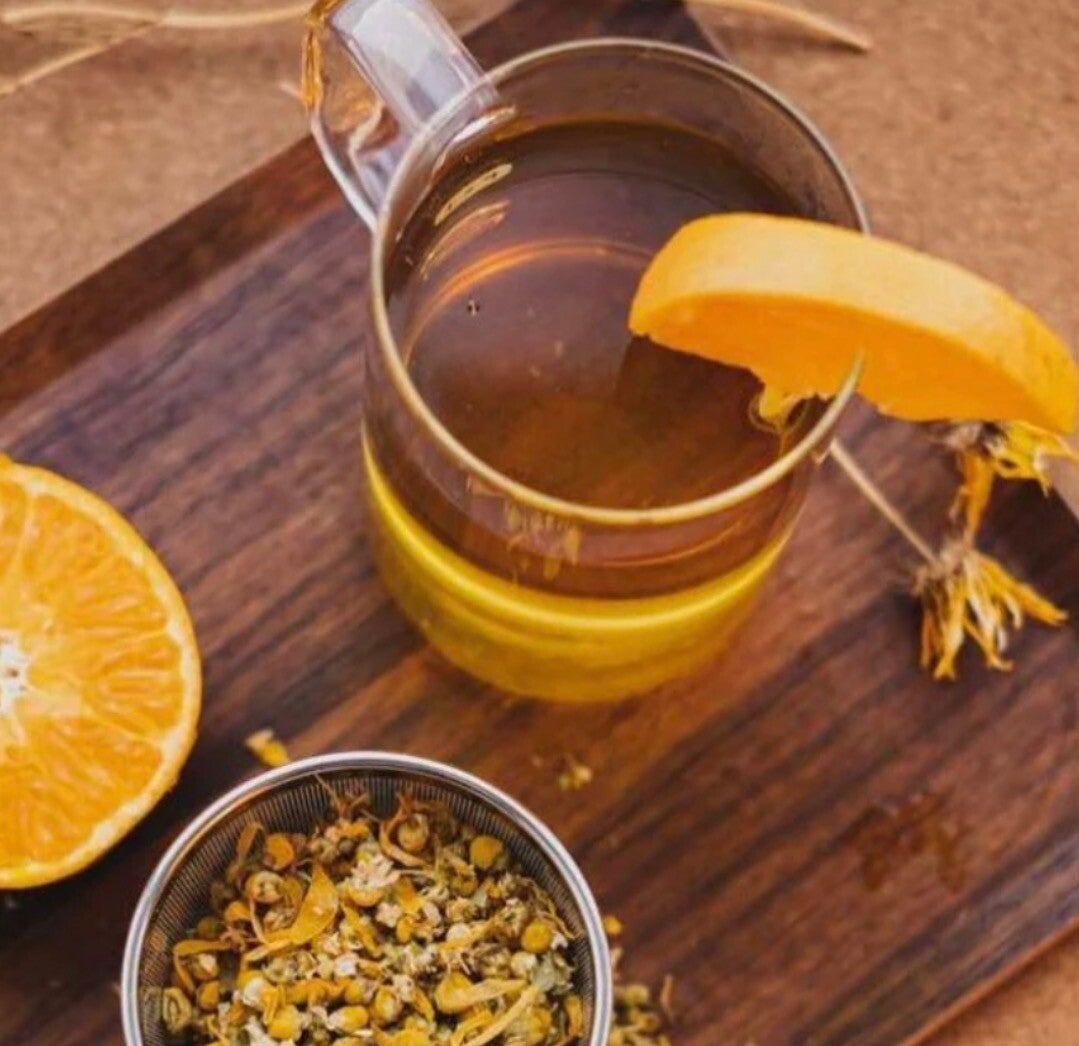
Chamomile & Orange Steam Tea
Soothes sinuses and promotes relaxation.
INGREDIENTS:
- 3 tbsp dried chamomile flowers
- 1 tsp dried orange peel
- 2 cups boiling water
INSTRUCTIONS: Steep and drink as tea, or lean over a bowl with a towel to inhale steam for sinus relief.
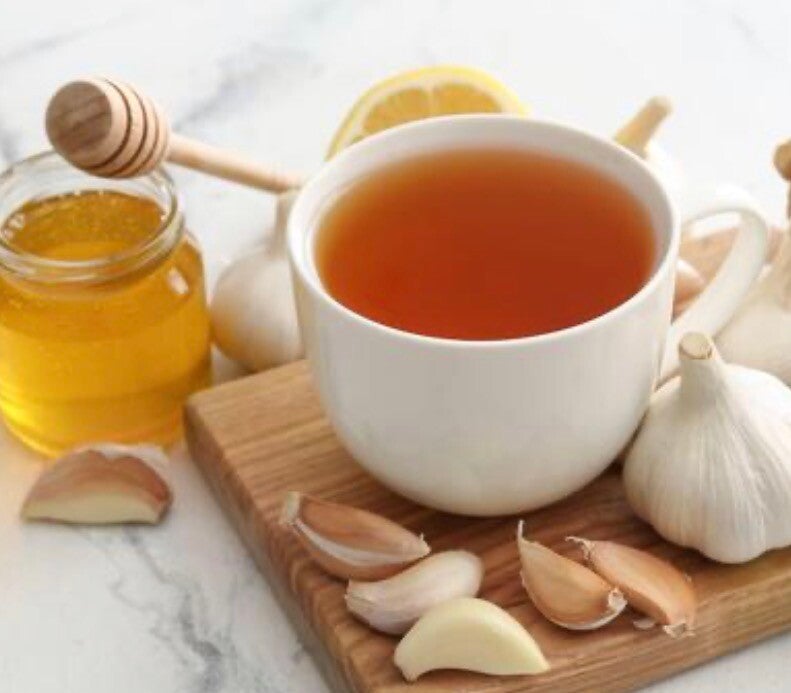
Garlic & Honey Immunity Boost
A powerful natural combination known for antimicrobial and immune-supporting properties.
INGREDIENTS:
- 2–3 garlic cloves (crushed)
- 1–2 tbsp raw honey
INSTRUCTIONS: Let crushed garlic sit for 10 minutes to activate beneficial compounds. Mix with honey and take 1 teaspoon daily during illness.
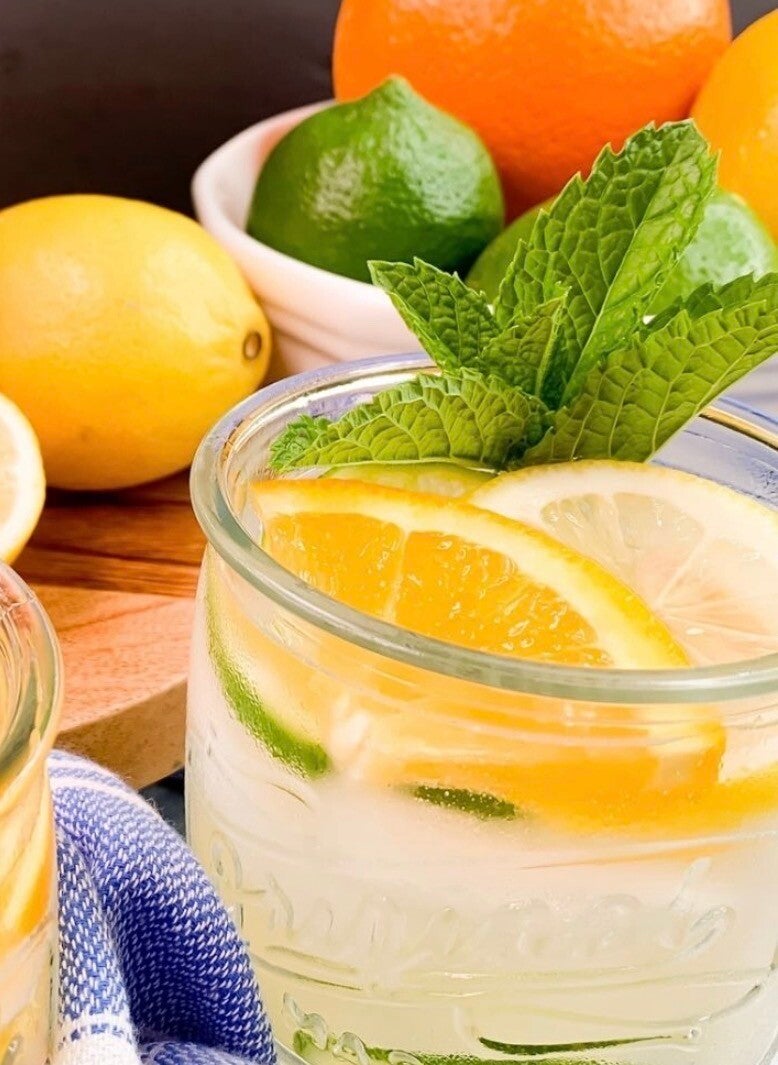
Vitamin C Citrus Water
Hydrating & rich in vitamin C to support immune function.
INGREDIENTS:
- Juice of 1 orange or lemon
- 1–2 cups warm water
- Optional: 1 tsp honey
INSTRUCTIONS: Mix ingredients and drink 2–3 times daily for hydration and immune support.

Herbal Electrolyte Drink
Helps restore hydration during fever or flu symptoms.
INGREDIENTS:
- 2 cups water
- 1 tbsp honey
- Pinch of sea salt
- Juice of ½ lemon
INSTRUCTIONS: Mix well and sip throughout the day for hydration support.
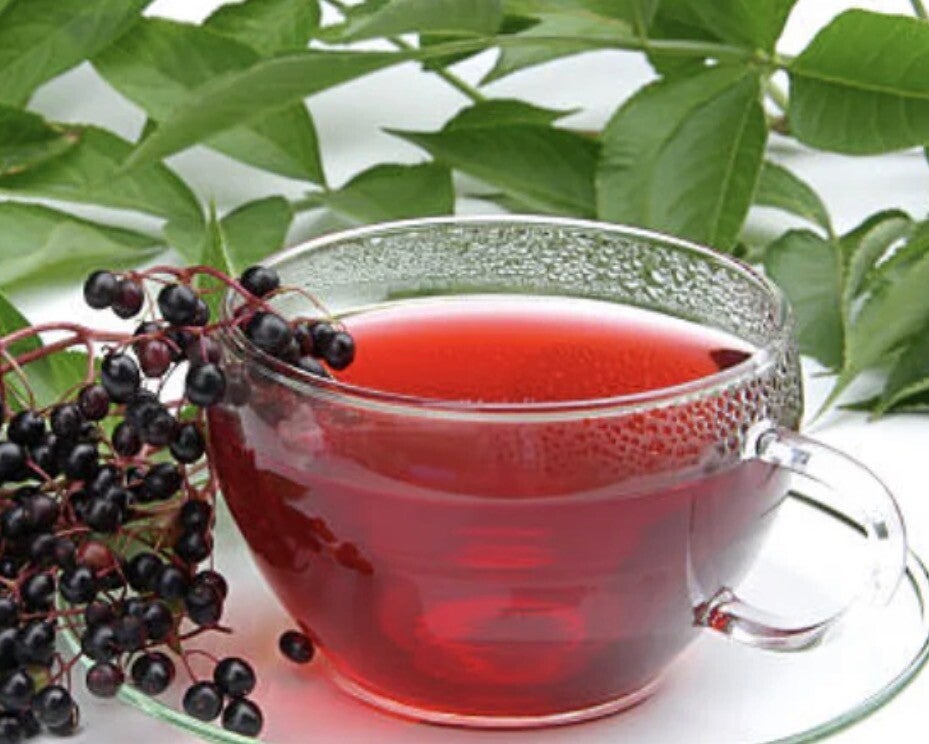
Elderberry & Peppermint Tea
Supports immune function and helps open nasal passages.
INGREDIENTS:
- 2 tsp dried elderberries
- 2 tbsp dried peppermint leaves
- A few crushed peppercorns
- 2 cups boiling water
INSTRUCTIONS: Steep for 5–10 minutes, strain, and drink warm.
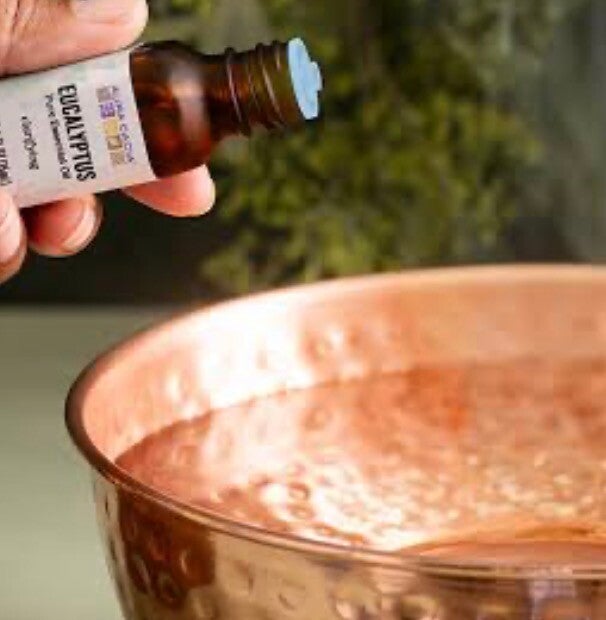
Steam Inhalation for Congestion
Helps loosen mucus and open nasal passages naturally.
INGREDIENTS:
- Hot water (in a large bowl)
- 3–5 drops eucalyptus essential oil OR dried chamomile
INSTRUCTIONS: Place face over bowl with a towel over your head to trap steam. Inhale deeply for 5–10 minutes.

Ginger & Cinnamon Immune Tea
A warming tea that supports circulation and helps reduce cold symptoms.
INGREDIENTS:
- 1 tbsp fresh ginger (sliced)
- 1 cinnamon stick or ½ tsp ground cinnamon
- 2 cups water
- Honey to taste.
INSTRUCTIONS: Simmer ginger and cinnamon for 10–15 minutes. Strain and sweeten with honey.
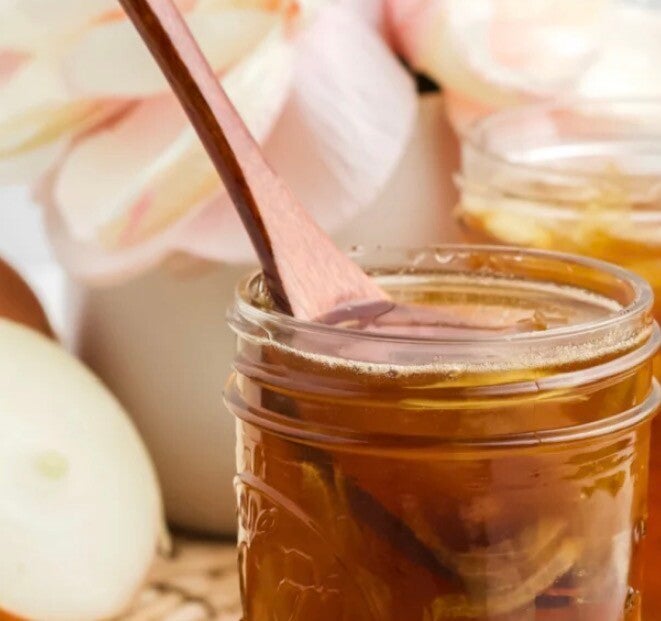
Onion Chest Comfort Remedy
Traditionally used to ease cough and congestion.
INGREDIENTS:
- 1 onion (sliced)
- 1–2 tbsp raw honey
INSTRUCTIONS: Layer onion and honey in a jar and let sit for several hours or overnight. Take 1 tsp. as needed.

“Sick Tea"
A warming blend for congestion and digestive comfort.
INGREDIENTS:
- Fresh ginger
- Peppermint
- Cinnamon stick or ground cinnamon
- Roasted coriander seeds
INSTRUCTIONS: Simmer all ingredients in water for 10–15 minutes. Strain and drink warm.

Cucumber & Pineapple Hydration Drink

INGREDIENTS:
- 1 cup fresh pineapple chunks
- 1/2 cucumber (peeled if waxed), sliced
- 1–2 cups cold water (or coconut water for extra electrolytes)
- Juice of 1/2 lime (optional but brightens flavor)
- 4–6 mint leaves (optional) & Ice cubes
INSTRUCTIONS: Add cucumber, pineapple, and water into a blender. Blend until smooth. Strain if you prefer a lighter juice (or leave it pulpy for fiber). Stir in lime juice and mint. Serve over ice and enjoy chilled.
OPTIONAL BOOST IDEAS:
Add ginger for digestion and nausea support. Add chia seeds for fiber and fullness. Use coconut water instead of plain water for potassium and electrolytes.
Benefits:
Cucumber Very hydrating (over 90% water). Helps reduce bloating. Contains antioxidants that support skin and inflammation balance.
Pineapple Contains bromelain, an enzyme that may help digestion and reduce inflammation. Naturally sweet, supports energy without added sugar. Supports gut comfort after heavier meals.
Overall drink benefits Excellent for hydration and electrolyte balance. May help reduce water retention and puffiness. Supports digestion and gut motility. Light, refreshing option if you’re watching blood sugar or appetite.
Headache Relief
INGREDIENTS:
- 1 tsp fresh ginger or peppermint leaves
- 1 cup hot water
INSTRUCTIONS: Steep 10 minutes. Sip slowly. Helps nausea, bloating, and indigestion.
Soothing Stomach Tea
INGREDIENTS:
- 1 tbsp carrier oil (coconut or olive)
- 2 drops peppermint oil
- 1 drop lavender oil
INSTRUCTIONS: Mix and apply to temples, neck, and forehead. Rest in a quiet, dark room.
Itch Relief
INGREDIENTS
- 1 tbsp baking soda
- A few drops water
INSTRUCTIONS: Mix into paste. Apply to bites for 10–15 minutes.
Stress Relief
Calming Tea for Stress
INGREDIENTS:
- 1 tsp dried lemon balm or chamomile
- 1 cup hot water
INSTRUCTIONS: Steep 10 minutes. Drink in the evening.
Simple Natural Tooth Ache Rinse
This helps reduce bacteria, inflammation, and pain.
INGREDIENTS
- 1 cup warm water
- 1/2 tsp salt
- 1–2 drops clove oil.
- Optional (if you have them): Pinch of dried sage or thyme (natural antibacterial herbs)
INSTRUCTIONS Mix salt into warm water. Add clove oil (don’t overdo it—it’s strong). Add herbs and let steep 5–10 minutes (optional). Let cool to warm (not hot).
HOW TO USE Swish gently for 20–30 seconds. Focus on the affected side. Spit out (do not swallow). Use 2–4 times daily.
EXTRA NATURAL TIPS Apply diluted clove oil directly for pain (tiny amount only). Avoid very hot, cold, or sugary foods. Keep your head elevated when resting (reduces pressure). Stay hydrated.
Important reminder: This rinse can slow bacteria and ease pain, but it will NOT eliminate a deep infection. If symptoms aren’t improving within 1–2 days—or worsen—get dental care.
Essential oils are very strong → always dilute
Don’t swallow clove or thyme oil.
Avoid applying anything extremely hot or irritating.
If swelling or fever develops, stop home remedies and get care.
If symptoms persist or worsen, seek medical care.
7 Best Herbal Tooth Pain Remedies
1. Clove
Contains eugenol (strongest natural pain reliever) (natural anesthetic + antibacterial)
How to use: Apply 1 drop diluted clove oil to the sore tooth. OR place a whole clove near the tooth and gently bite. Works quickly for numbing pain.
2. Garlic
Helps fight infection-causing bacteria (natural antibiotic)
How to use: Crush a fresh clove + pinch of salt. Apply directly to the tooth. Strong taste, but very effective.
3. Peppermint
Mild numbing and antibacterial effect (cooling + soothing)
How to use: Brew strong peppermint tea, cool it. Use as a mouth rinse or hold tea bag on the tooth.
4. Sage
Helps reduce gum swelling (anti-inflammatory + antibacterial)
How to use: Steep 1 tsp dried sage in hot water. Cool and use as a rinse.
5. Thyme
Fights oral bacteria (powerful antimicrobial)
How to use: Add a drop of thyme oil to water for rinsing. OR drink as tea and swish before swallowing.
6. Turmeric
Helps reduce swelling and pain (anti-inflammatory)
How to use: Mix turmeric powder + water into a paste. Apply gently to the area.
7. Chamomile
Good for irritated gums (calming + healing)
How to use: Use cooled chamomile tea as a rinse. Or place tea bag on sore area.
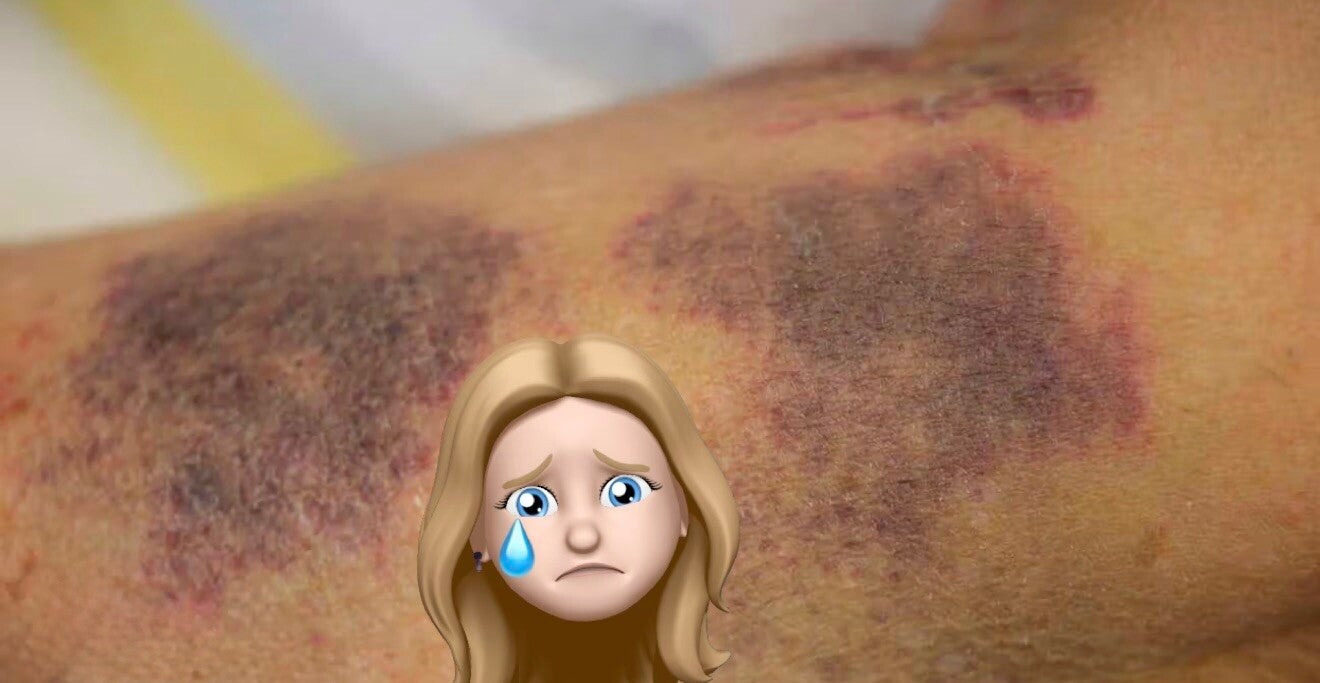
Remedies for Purpura
Purpura (purple or red spots caused by bleeding under the skin) isn’t something to treat casually with herbs alone—you first want to understand the cause. It can be linked to issues like fragile blood vessels, vitamin deficiencies, medications, or conditions such as Immune Thrombocytopenia or Vasculitis. If it’s new, spreading or unexplained, it’s worth getting checked. That said, if you’re looking to support skin, circulation, and blood vessel health naturally, here are some gentle herbal approaches that are commonly used:
Circulation & Capillary Support
Witch Hazel (topical). A natural astringent that may help tighten tissues and reduce minor bleeding under the skin. Use: Apply diluted witch hazel extract to affected areas 1–2x daily
Yarrow (Achillea millefolium). Traditionally used to support blood clotting and reduce minor bleeding. Use: Tea or diluted tincture (internally), or poultice externally.
Strengthening Blood Vessels
Gotu Kola. Supports collagen production and vessel integrity. Use: Tea or capsules
Bilberry. Rich in anthocyanins that help strengthen capillaries. Use: Tea, capsules, or berries.
Anti-Inflammatory Support
Turmeric. Helps reduce inflammation that may contribute to vessel damage. Use: Tea, golden milk, or capsules (with black pepper for absorption)
Chamomile. Gentle anti-inflammatory and calming herb. Use: Tea or compress on skin
NUTRITIONAL HERBAL SUPPORT
Nettle Leaf. Rich in vitamin K and iron (important for clotting and blood health). Use: Tea or infusion.
Rose Hips. High in vitamin C, which strengthens blood vessels. Use: Tea or syrup
IMPORTANT CAUTIONS: Avoid herbs that thin the blood (like high doses of garlic, ginger, or ginkgo) unless guided by a professional. If you’re on medications (especially blood thinners or drugs like Farxiga or others), check for interactions.
SEEK CARE URGENTLY IF YOU SEE: Rapid spreading bruising. Bleeding gums or nosebleeds. Fatigue or dizziness.
Senile Purpura
What I’m seeing looks like larger, dark purple bruising patches (ecchymosis) rather than tiny pinpoint spots. This pattern is often associated with skin fragility or easy bruising, sometimes called Senile purpura, especially on the forearms. It can also be influenced by medications, minor bumps, or thinning skin. That said, this can overlap with other causes of Purpura, so it’s worth paying attention to patterns and triggers.
Herbal & Natural Support
FIRST — When to get checked
Before focusing on herbs, it’s important to rule out more serious causes. Please consider medical evaluation if: These bruises appeared suddenly or are increasing quickly. You’re getting bruises without any bumps or pressure. You have bleeding gums, nosebleeds, or fatigue. You take blood thinners, steroids, or medications affecting platelets.
Arnica (topical only). Helps the body reabsorb bruising. Use: Cream or gel 1–2x daily (do not apply to broken skin)
Vitamin C + Bioflavonoid Support (very important for this type of bruising). Helps strengthen fragile capillaries. Best herbal sources: Rose hips tea, Hibiscus tea, Citrus peel infusions.
Nettle Leaf: Supports blood health. Helps with mild clotting support. Use: Strong tea (1 cup daily).
Gotu Kola: Supports collagen and skin thickness for fragile, thinning skin.
Witch Hazel (topical): Can gently tighten skin and support capillaries. Apply lightly with a cotton pad.
What to Avoid
Avoid high doses of turmeric, ginger, garlic, ginkgo → they can increase bleeding/bruising. Be cautious with supplements if you’re on meds like Farxiga or anything for heart/blood.
Simple Bruise Care Oil
You can make this at home:
- 2 tbsp olive oil.
- 5 drops lavender oil.
- 3 drops helichrysum (if available).
Apply gently 1–2x daily (no pressure rubbing).
Purpura Simple Herbal Tea Blend
Capillary Support Tea
- 1 tsp nettle leaf
- 1 tsp rose hips
- ½ tsp chamomile
Steep in hot water for 10–15 minutes. Drink 1–2 cups daily.
Peppermint Oil for Itchy Scalp
Peppermint oil is a powerful natural remedy for an itchy scalp thanks to its anti-inflammatory, antimicrobial, and mild anesthetic properties. Its high menthol content delivers a cooling sensation that soothes irritation and provides fast relief from itching.
BENEFITS:
Soothes Irritation: Menthol cools the scalp, helping reduce redness, inflammation, and discomfort. Fights Dandruff: Its antifungal and antimicrobial properties help combat flakes caused by bacteria, yeast, or excess oil. Stimulates Circulation: Increased blood flow to the scalp can support healthier hair follicles and overall scalp health.
HOW TO USE: Always dilute peppermint oil before applying to the scalp to prevent irritation. Mix 2–3 drops of peppermint oil with 1 tablespoon of a carrier oil (such as coconut or jojoba oil). Massage gently into the scalp. Leave on for 15–60 minutes (or overnight if well tolerated). Wash out thoroughly with shampoo
TIPS: Use 2–3 times per week for best results. Perform a patch test before first use. Avoid contact with eyes and sensitive skin areas.