

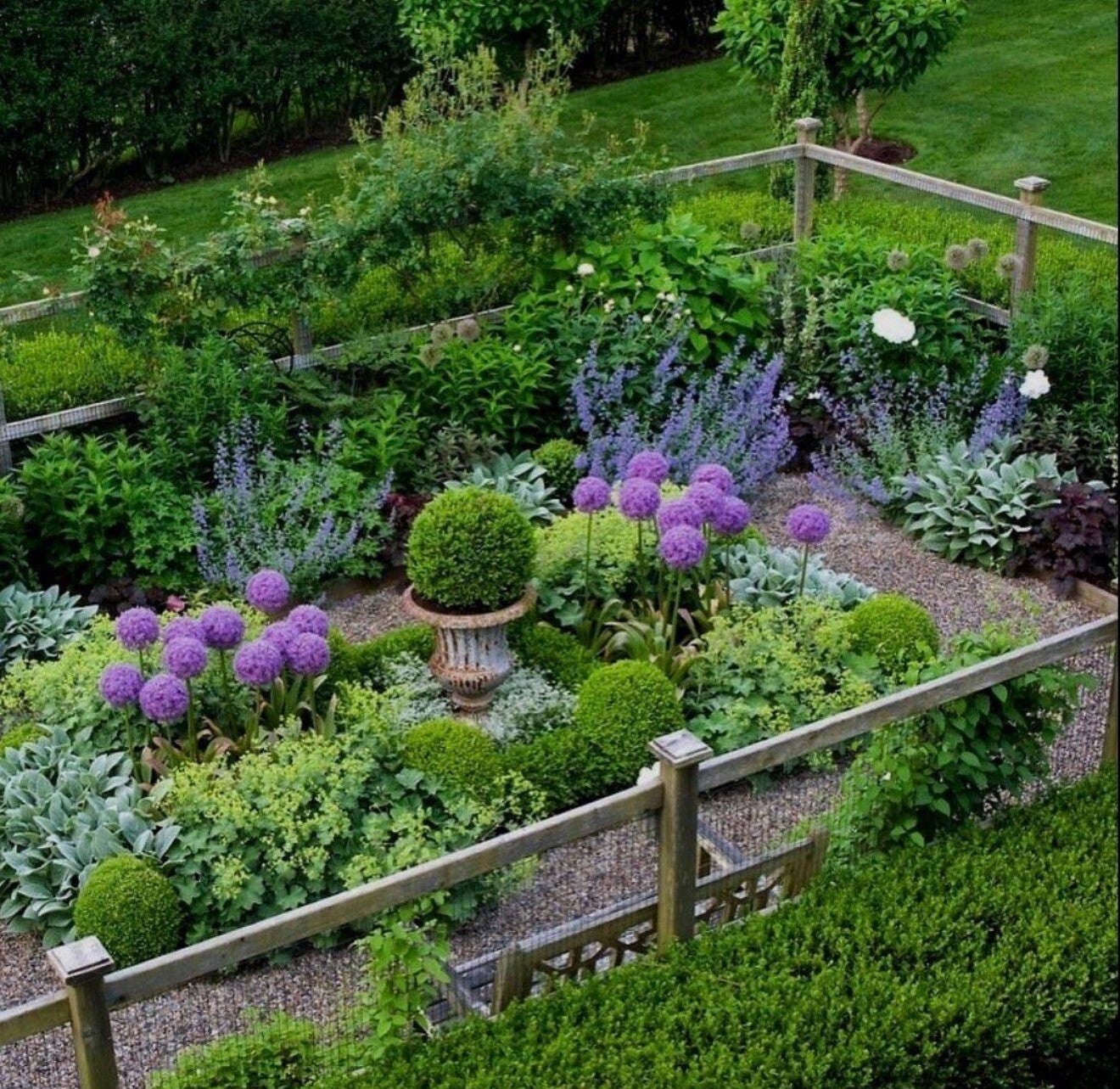
Creating an Herbal Garden: A Simple Guide to Growing Fresh Herbs
An herbal garden is one of the most rewarding ways to bring fresh flavor, natural wellness, and beauty into your everyday life. Whether you have a large backyard, a small patio, or just a sunny kitchen windowsill, growing herbs can be simple, affordable, and enjoyable for beginners and experienced gardeners alike.
Fresh herbs can be used for cooking, teas, homemade skincare, soaps, wellness routines, and natural home remedies. Best of all, many herbs are easy to grow and require very little space.
Why Start An Herbal Garden
Growing your own herbs offers many benefits:
Fresh herbs anytime you need them ~ Saves money on store-bought herbs ~ Adds beauty and fragrance to your home ~ Supports natural wellness routines ~ Great for cooking and herbal teas ~ Easy for beginners to maintain
Herb gardening also creates a relaxing connection to nature and healthy living.
Best Herbs to Grow an Herbal Garden
BASIL
Basil is one of the easiest and most popular herbs to grow.
Best Uses: Pasta dishes ~ Pesto ~ Salads ~ Herb butter
Growing Tips: Loves warm sunlight ~ Water regularly
Harvest often for fuller growth
MINT
Mint grows quickly and is perfect for containers.
Best Uses: Herbal tea ~ Infused water ~ Desserts ~ Smoothies
Growing Tips: Grows best in pots ~ Prefers partial to full sun ~ Keep soil lightly moist
ROSEMARY
Rosemary is a hardy aromatic herb used in cooking and DIY herbal products.
Best Uses: Roasted potatoes ~ Chicken dishes ~ Herbal oils~ Hair rinses
Growing Tips: Needs good drainage~ Loves sunlight ~ Avoid overwatering.
THYME
Thyme is compact, flavorful, and beginner-friendly.
Best Uses: Soups ~ Vegetables ~ Chicken dishes ~ Herbal tea blends.
Growing Tips: Thrives in containers ~ Prefers dry soil ~ Requires full sun
PARSLEY
Parsley is nutritious, versatile, and easy to maintain.
Best Uses: Salads ~ Soups ~ Smoothies ~ Garnishes
Growing Tips: Likes consistent moisture ~ Grows well indoors.
Harvest outer stems first.
CHIVES
Chives are compact herbs with a mild onion flavor.
Bests Uses: Eggs ~ Potatoes ~ Dips ~ Soups
Growing Tips: Great for small spaces ~ Easy indoor herb ~ Cut regularly to encourage growth.
Choosing the Right Location
Most herbs need:
6–8 hours of sunlight daily ~ Good drainage ~ Moderate watering ~ Air circulation
Great Places for Herbal Gardens
Raised garden beds ~ Patio containers ~ Balcony planters ~ Kitchen windowsills ~ Hanging baskets
Even small spaces can become beautiful herb gardens.
Herbal Garden Supplies You Will Need:
Basic supplies include:
Containers or pots ~ Potting soil ~ Watering can ~ Garden scissors or pruning shears ~ Plant markers ~ Organic fertilizer
You can start small with just a few containers and expand over time.
Tips For A Thriving Herbal Garden
Start with Easy Herbs ~ Begin with herbs like basil, mint, parsley, and thyme. ~ Don’t Overwater ~ Many herbs prefer slightly dry soil. ~ Harvest Often ~ Regular harvesting encourages healthy growth. ~ Use Companion Planting ~ Some herbs grow well together in the same planter ~ Dry Extra Herbs
Preserve your harvest for teas, cooking, and DIY projects.
Ways to Use Your Fresh Herbs
Fresh herbs can be used in:
Homemade meals ~ Herbal teas ~ Bath soaks ~ Infused oils ~ Handmade soaps ~ Natural skincare ~ Seasonal wellness recipes
Growing herbs gives you access to fresh ingredients year-round.
Final Thoughts
An herbal garden is more than just a collection of plants. It is a step toward natural living, healthy cooking, and creating a peaceful outdoor or indoor space filled with fragrance and beauty.
Whether you grow a few herbs on a windowsill or build a full garden bed, starting an herbal garden is a rewarding and practical way to enjoy the benefits of fresh herbs every day.
Add comment
Comments