Easy to Grow & Use Herbs

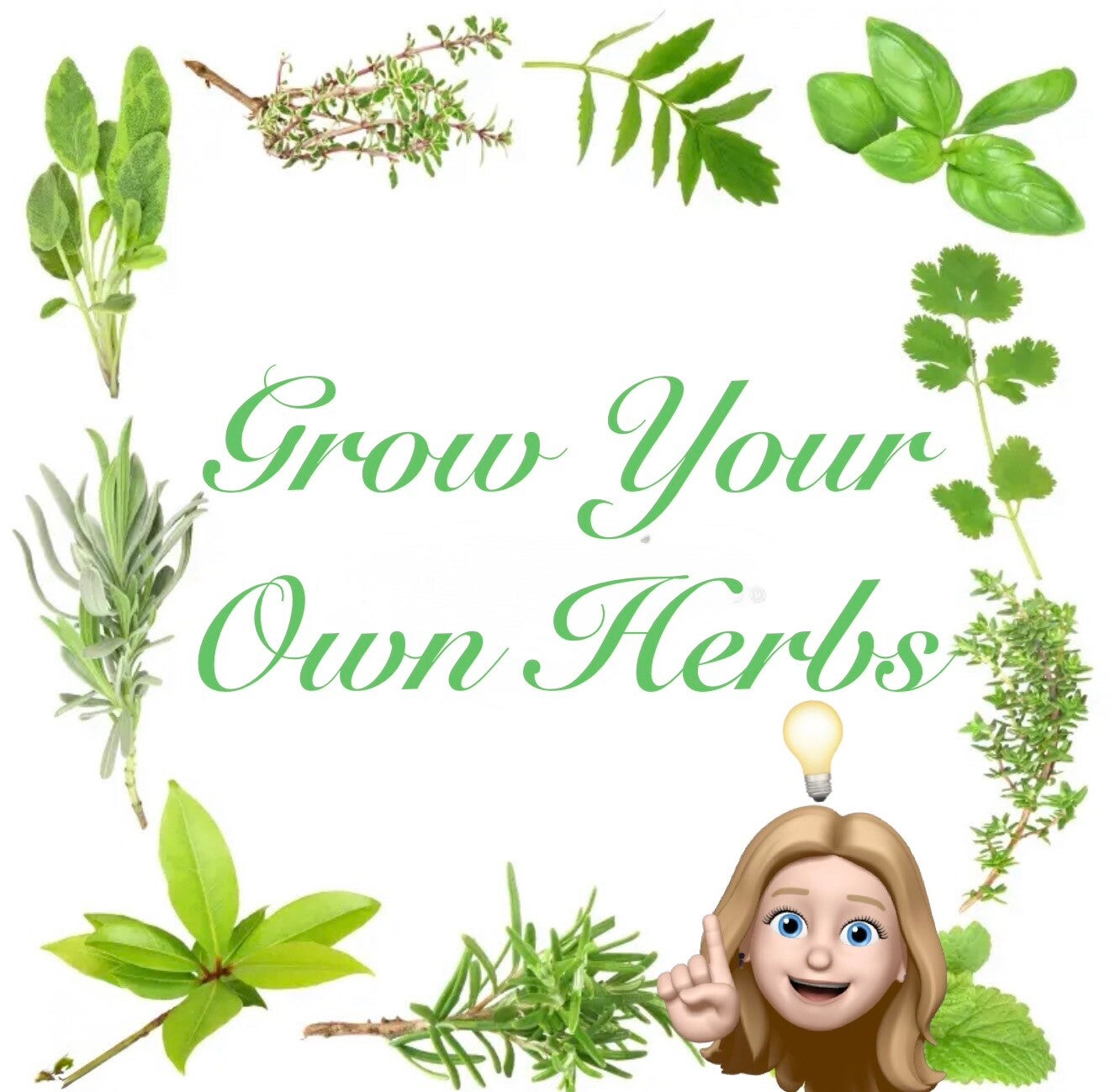
Fresh Herbs: Basil, parsley, and cilantro are perfect for salads, pasta, and garnishing dishes.

Hardy Herbs: Rosemary, thyme, oregano, and sage are ideal for slow cooking and pair well with meats and roasted vegetables.


Growing

Basil, Oregano, Sage & Parsley

For Northeastern Gardeners

These popular culinary herbs are easy to grow at home—whether in a garden bed, raised planter, or pots on your windowsill.

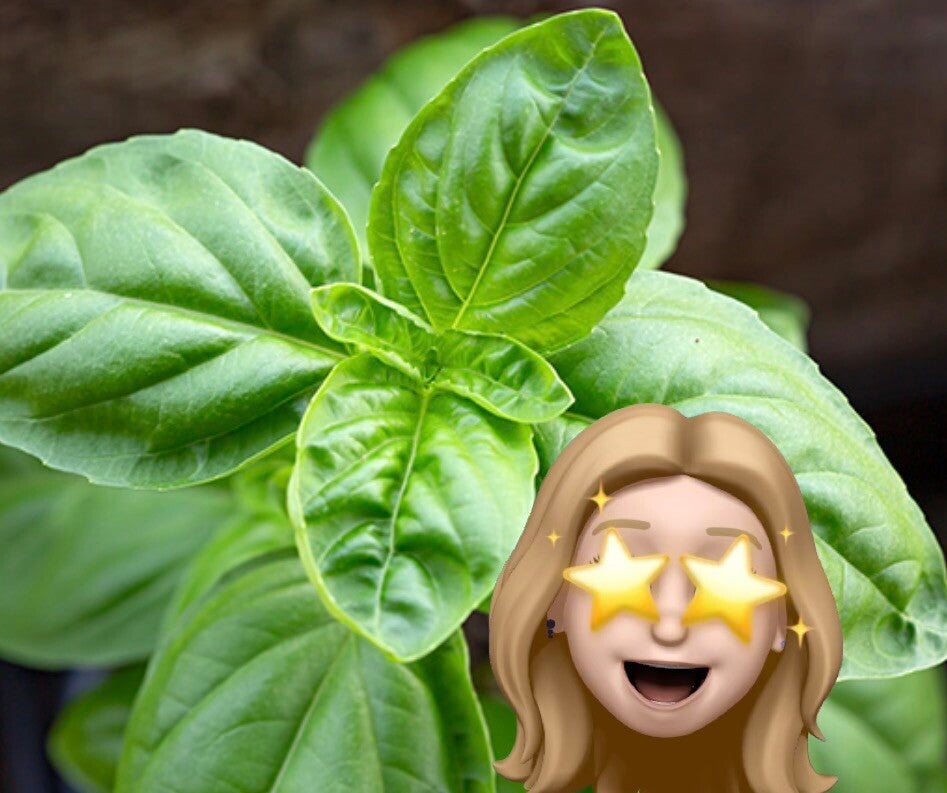
BASIL

(Warm-Weather)

Growing Tips:

Sunlight: Full sun (6–8 hours daily)

Temperature: Loves warmth—plant after last frost

Soil: Well-draining, slightly moist soil

Water: Keep soil moist but not soggy

PlantingStart from seeds or small plants. Space about 8–12 inches apart

CarePinch off the top leaves regularly to encourage bushy growth. Remove flowers to keep leaves flavorful

Harvest: Pick leaves often—this actually helps the plant grow more!

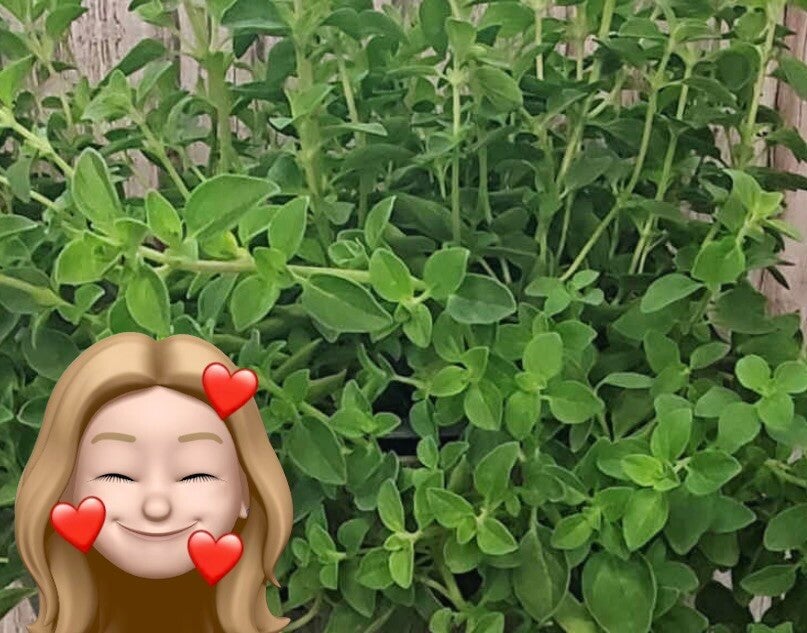
OREGANO

(Hardy, Low-Maintenance)

Growing Tips:

Sunlight: Full sun

Soil: Well-drained, slightly dry soil

Water: Low water needs—avoid overwatering

PlantingGrows well from cuttings or nursery plants. Space 10–12 inches apart

CareThrives on neglect—too much care can reduce flavor. Trim regularly to prevent legginess

HarvestBest flavor just before flowering

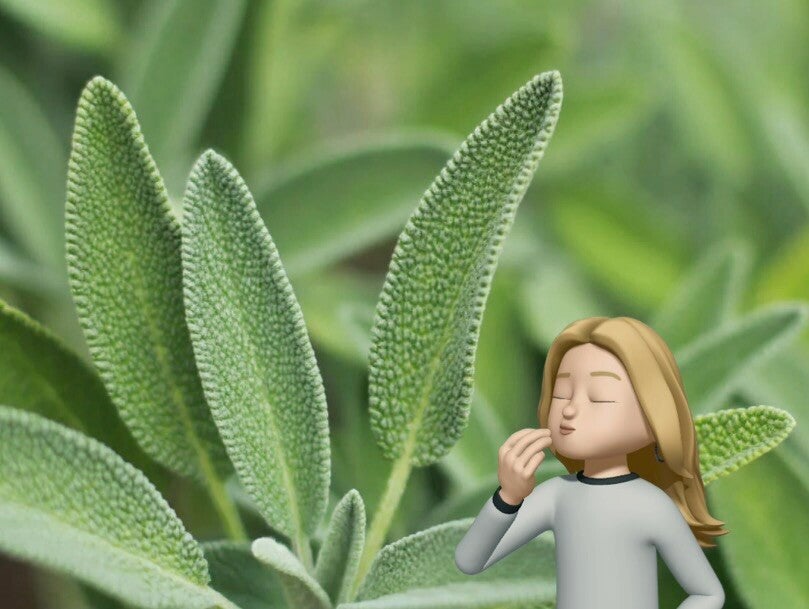
SAGE

(Perennial Herb)

Growing Tips:

Sunlight: Full sun

Soil: Well-drained, sandy soil

Water: Moderate—let soil dry between watering

PlantingPlant seedlings or cuttings. Space 18–24 inches apart.

CarePrune regularly to keep it from becoming woody. Avoid overwatering.

HarvestLightly harvest in the first year; fuller harvests after established.


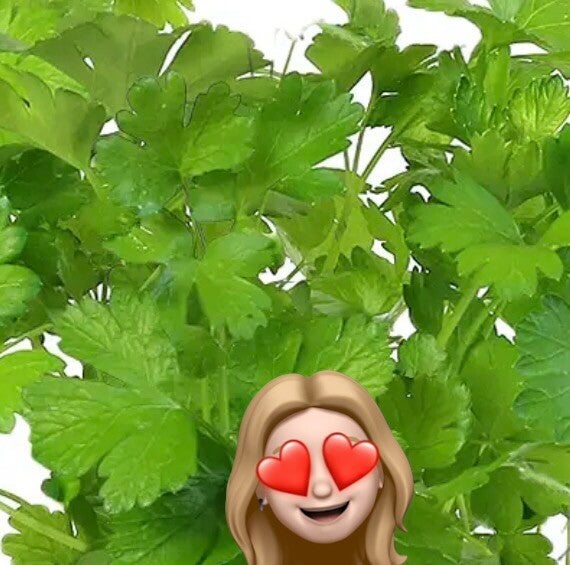
PARSLEY

(Cool-Weather Herb)

Growing Tips:

Sunlight: Full sun to partial shade

Soil: Rich, moist, well-drained soil

Water: Keep soil consistently moist

PlantingStart from seeds (slow to germinate—be patient!). Space 6–10 inches apart

CareSoak seeds overnight before planting to speed germination. Regular harvesting encourages new growth

HarvestCut outer stems first, allowing inner leaves to continue growing


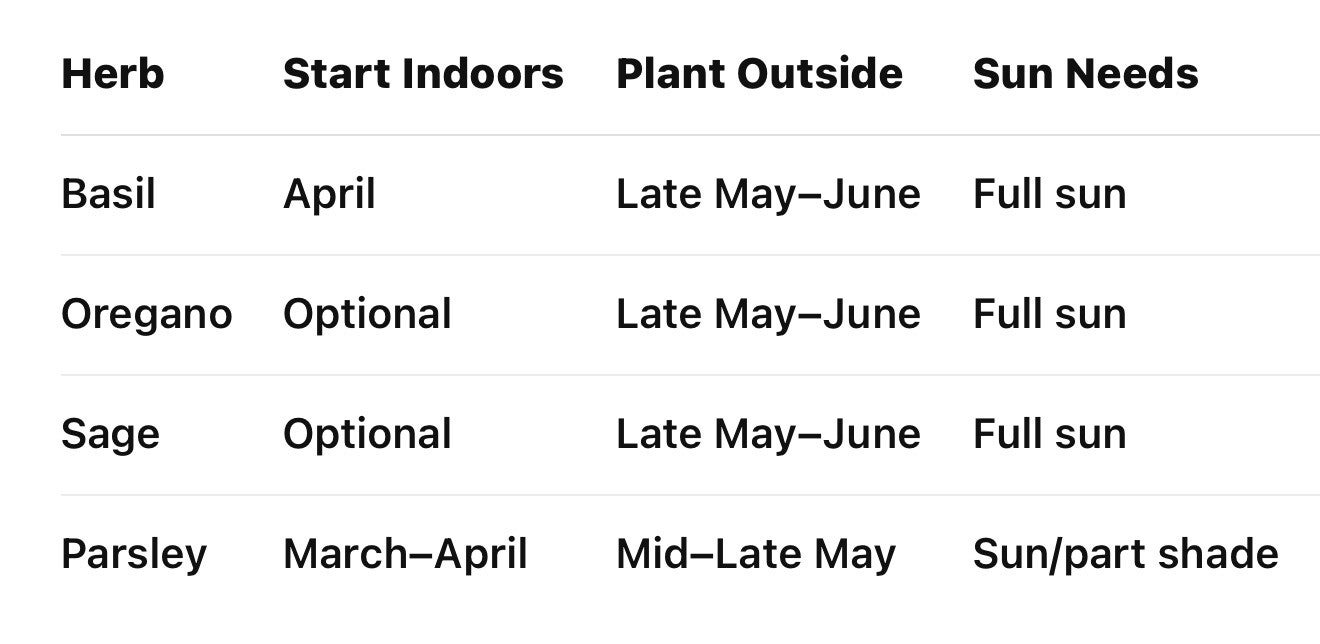
Quick Growing Chart


Bonus Growing Tips

Containers: All four herbs grow well in pots—just ensure good drainage

Frequent Harvesting: Promotes fuller, healthier plants

Companion Planting: Basil pairs well with tomatoes; oregano and sage thrive near vegetables

Cold Protection: Bring pots indoors or cover plants when temperatures drop


Month by Month Herb Guide

For Northeastern Gardners

March – April (Start Indoors)

Start basil and parsley seeds indoors

Use seed trays with warmth and good light

Parsley may take 2–3 weeks to sprout

 May (Transition Month)

Harden off seedlings (gradually introduce outdoors)

Plant parsley outside mid-to-late May

Wait until frost risk is gone for basil

Late May – June (Main Planting Time)

Plant outdoors:

Basil - Oregano - Sage - Parsley

Choose a sunny location with well-draining soil

July – August (Growing Season)

Harvest herbs regularly

Water consistently (especially basil & parsley)

Trim oregano and sage to keep them bushy

September – October (Harvest & Prep)

Harvest heavily before first frost

Dry or freeze herbs for winter use

Bring potted herbs indoors if desired


Growing

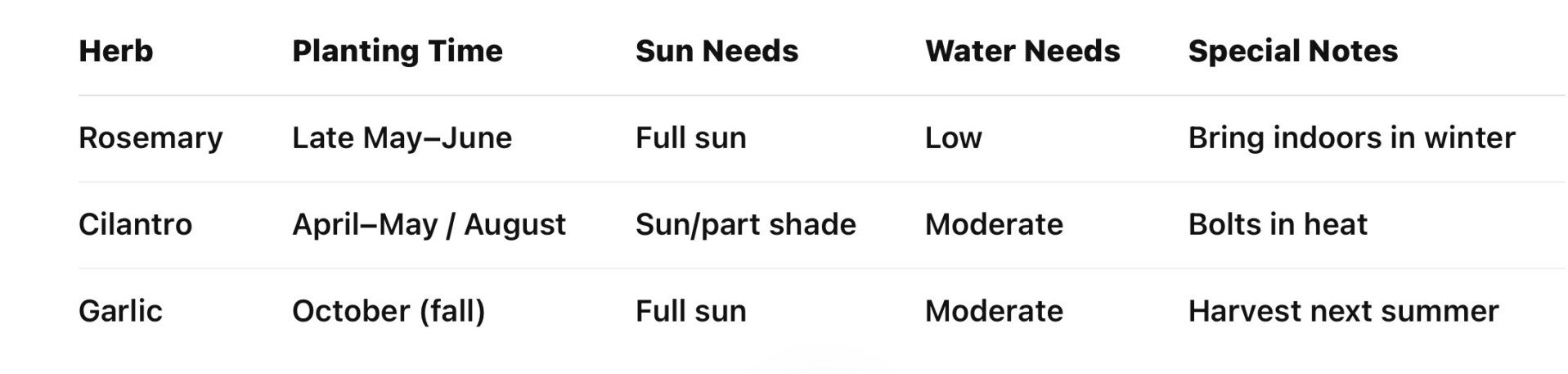
Rosemary, Cilantro & Garlic

(for Northeastern Gardeners)

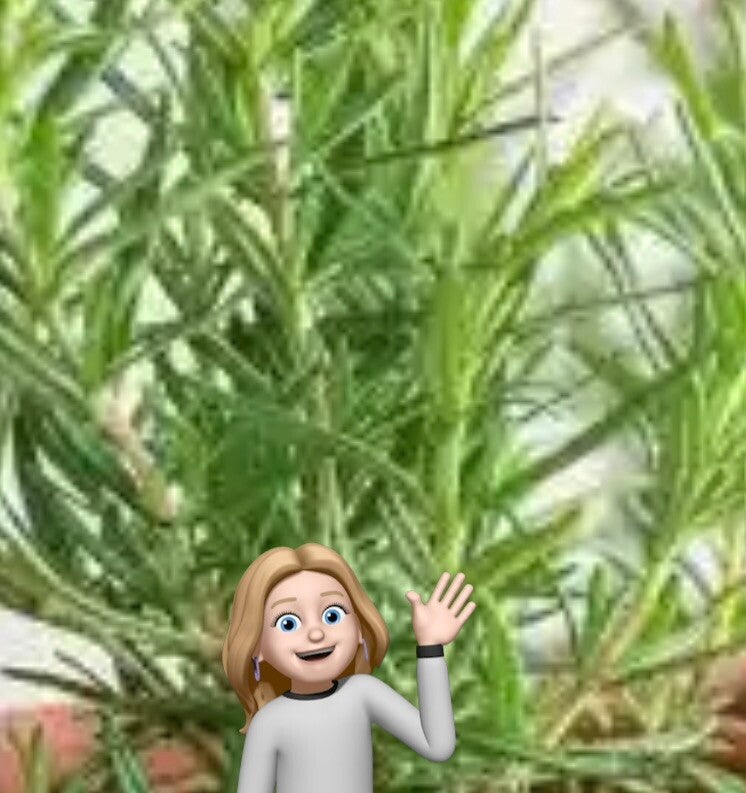
ROSEMARY

(Warm Loving Perrenial)

Growing Tips:

Sunlight: Full sun (6–8+ hours)

Soil: Well-drained, sandy soil (does NOT like wet roots)

Water: Low—let soil dry between watering

Planting:

Best grown from nursery plants (seeds are slow and tricky) Plant outdoors late May–June after frost.

CarePrune regularly to keep it bushy. Bring indoors before first frost (not winter-hardy in Buffalo).

HarvestCut sprigs as needed—don’t remove more than ⅓ at a time.

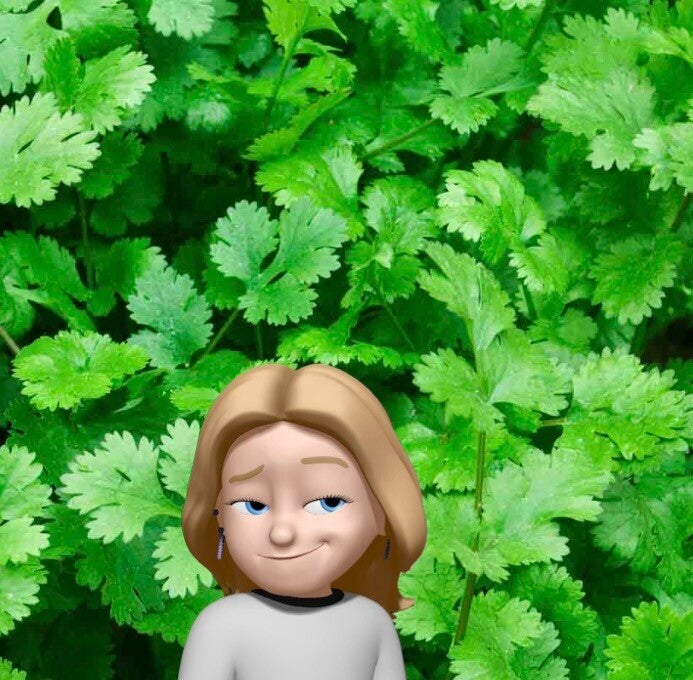
CILANTRO

(Cool-Weather Favorite)

Growing Tips:

Sunlight: Full sun to partial shade

 Soil: Light, well-drained soil

 Water: Keep soil lightly moist

Planting:

Direct sow seeds outdoors April–May. Can plant again in late summer (August) for fall harvest

Care:

Grows fast but bolts (flowers) quickly in heat. Plant in succession every 2–3 weeks for continuous harvest

Harvest:

Pick leaves early; once it flowers, seeds become coriander

GARLIC

(Fall-Planted Crop)

Growing Tips:

Sunlight: Full sun

Soil: Rich, loose, well-drained soil

Water: Moderate—consistent moisture

Planting:

Plant cloves in October (before ground freezes). Place cloves 2 inches deep, 4–6 inches apart

Care:

Mulch heavily for winter protection. Remove flower stalks (scapes) in spring

HarvestReady in July when lower leaves turn brown. Cure (dry) bulbs for 2–3 weeks before storing


Growing Spearmint, Lemongrass and Ginger

SPEARMINT

(Mentha spicata)

How to Grow

Light: Partial to full sun (4–6+ hours).

Soil: Moist, well-draining, rich soil. Water: Keep soil consistently damp (not soggy).

Planting: Grows best from cuttings or starter plants. Space about 12–18 inches apart.


Container Tip
Mint spreads aggressively—grow it in a pot to prevent it from taking over your garden.


Care & Harvest

Pinch off tops regularly to keep it bushy. Harvest leaves anytime—best flavor before flowering. Trim back often to prevent legginess.


Indoor Growing

Place near a sunny window. Keep soil moist and rotate the pot for even growth


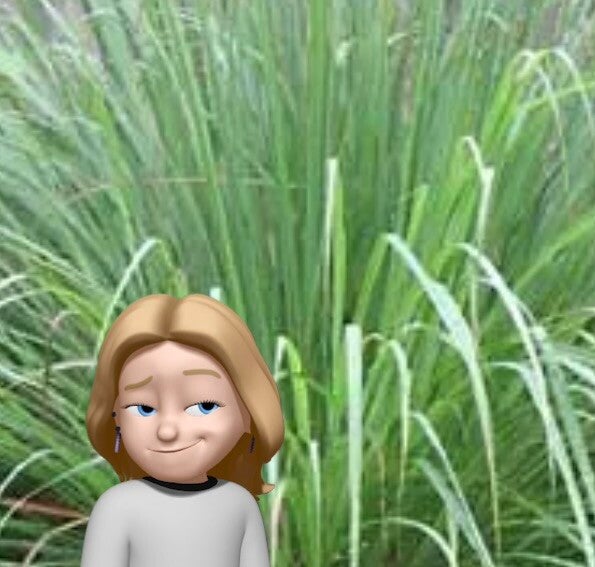
LEMONGRASS

(Cymbopogon citratus)

How to Grow

Light: Full sun (6–8 hours). Soil: Well-draining, slightly sandy soil. Water: Moderate—allow top inch to dry between watering. Climate: Loves warmth (best above 65°F)


Starting from

Store-Bought Stalks

Place stalks in water (base down). Wait for roots (about 1–2 weeks). Transplant into soil once roots are ~2 inches long


Container Tip

Grows well in large pots (at least 12 inches deep). Bring indoors before frost if you live in colder areas like in the Northeast.

Care & Harvest

Harvest when stalks are about ½ inch thick. Cut at the base—outer stalks first. Trim leaves to encourage growth. 

GINGER

Choose Your Ginger Root Use fresh, organic ginger (store-bought works if not treated). Look for plump pieces with visible “eyes” (growth buds).

Prep (Optional) Cut into chunks (1–2 inches), each with at least one eye. Let pieces dry for a few hours to prevent rot.

Planting

Soil: Loose, rich, well-draining potting mix. Container: Wide and shallow (ginger spreads sideways). Depth: Plant 1–2 inches deep, eye facing up. Spacing: 6–8 inches apart. 

Growing Conditions Light: Partial shade (bright, indirect light is ideal. Temperature: Warm—75–85°F is best. Water: Keep soil consistently moist, not soggy. Humidity: Loves humidity—mist occasionally if indoors. Care Tips Growth starts slow—sprouts may take 2–4 weeks. Feed monthly with a gentle liquid fertilizer. Add soil (“hill up”) as the plant grows to encourage more rhizomes.


8 Herbs That Grow Well Indoors

1. Basil Loves warmth and sunlight. Great for cooking (pasta, salads). Needs regular watering.

2. Mint Very easy to grow (almost too easy!). Prefers indirect light. Perfect for tea and desserts.

3. Parsley Grows well in moderate light. Rich in vitamins. Keep soil slightly moist.

4. Chives Low maintenance. Mild onion flavor. Trim often to encourage growth.

5. Thyme Likes bright light and drier soil. Great for meats and soups.

6. Oregano Needs lots of sunlight. Strong flavor for cooking. Let soil dry slightly between watering.

7. Rosemary Needs bright light and good airflow. Water sparingly. Can be a bit picky indoors.

8. Cilantro Prefers cooler indoor temps. Fast-growing but short-lived. Needs good light.


Growing in Cold Areas

If you’re in a place like Buffalo, NY: Start indoors in early spring. Move outside only when temps stay above 60°F. Bring back inside before fall frost.

Harvesting Baby Ginger: Ready in 4–6 months (milder, less fibrous). Mature ginger: 8–10 months. Gently dig around edges or harvest whole plant.

Pro Tips Ginger grows best in containers for easy control. Replant a piece of your harvest to keep it going year after year. Yellowing leaves at the end of the season = ready to harvest.


Create Your Own Website With Webador