

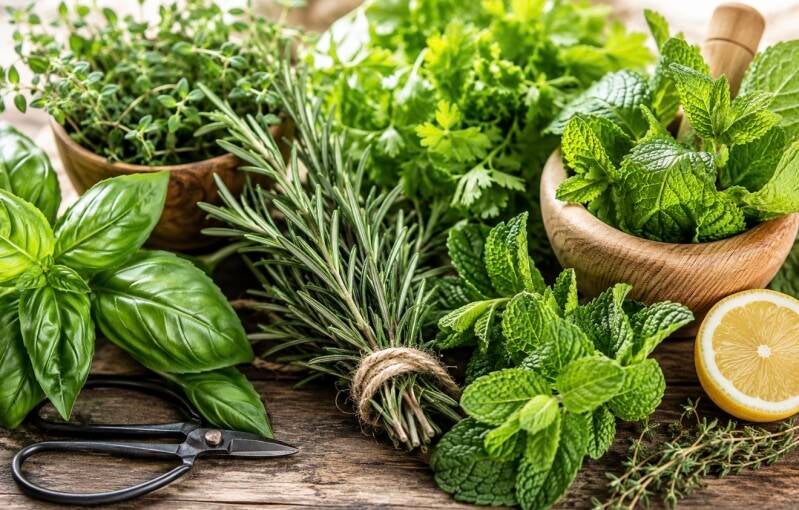
Fresh herbs have been used in cooking for centuries, not only to add flavor but also to support overall health and wellness. From fragrant basil and rosemary to soothing mint and parsley, herbs can transform everyday meals into nutrient-rich dishes bursting with natural goodness.
Whether grown in a backyard garden, a windowsill pot, or purchased fresh from the market, herbs are one of the easiest ways to make meals healthier and more flavorful.
Why cook with herbs?
Many herbs contain powerful plant compounds, antioxidants, vitamins, and minerals that may help support the body in a variety of ways. Using herbs in cooking can also reduce the need for excess salt, sugar, and unhealthy fats while still creating delicious meals.
Fresh and dried herbs are both beneficial, and even small amounts can add nutritional value to your recipes.
One of the biggest health benefits of herbs is their ability to enhance flavor naturally. Many people find they can use less salt when meals are seasoned with fresh herbs, garlic, citrus, and spices.
A simple blend of rosemary, thyme, garlic, and black pepper can make roasted vegetables incredibly flavorful without relying heavily on sodium.
Easy ways to add herbs to meals
If you’re new to cooking with herbs, start simple:
• Add basil to sandwiches and pasta
• Mix parsley into potatoes or rice
• Sprinkle dill into salads
• Add rosemary to roasted vegetables
• Stir mint into lemonade or tea
Even a small handful of herbs can completely change a dish.
Fresh vs. Dried
Both fresh and dried herbs have benefits:
• Fresh herbs offer vibrant flavor and aroma.
• Dried herbs are convenient and concentrated.
As a general rule:
• Use 1 tablespoon fresh herbs for every 1 teaspoon dried herbs.
Fresh herbs are usually added near the end of cooking, while dried herbs are often added earlier to allow their flavors to develop.
Popular Culinary Herbs
Basil
Basil is known for its bright, sweet flavor and is commonly used in pasta dishes, salads, and sauces. It contains antioxidants and may help support healthy digestion and reduce inflammation.
Popular uses: Caprese salads ~ Tomato sauces ~ Herbal butter ~ Fresh summer drinks
Rosemary
Rosemary has a bold, earthy flavor that pairs beautifully with roasted meats and vegetables. It contains natural compounds that may support memory and circulation.
Popular uses: Roasted potatoes ~ Chicken and pork dishes ~ Homemade bread ~ Infused olive oils
Parsley
Often used as a garnish, parsley is actually packed with vitamins A, C, and K. It can help freshen dishes while adding nutrients and vibrant color.
Popular uses: Soups and stews ~ Garlic butter blends ~ Rice dishes ~ Fresh salads
Mint
Mint provides a cool, refreshing flavor and is often associated with digestive comfort. It works well in both sweet and savory recipes.
Popular uses:
Herbal teas ~ Fruit salads ~ Yogurt sauces ~ Refreshing drinks
Thyme
Thyme has a warm, slightly floral taste and contains natural compounds traditionally associated with immune support.
Popular uses:
Slow-cooked meats ~ Vegetable soups ~ Roasted vegetables ~ Herbal marinades
Dill
Dill has a light, tangy flavor that pairs well with vegetables, seafood, and creamy dishes. It is commonly used to brighten meals without overpowering them.
Popular uses:
Potato salads ~ Fish recipes ~ Cream sauces ~ Pickled vegetables
Final Thoughts
Cooking with herbs is one of the simplest ways to make meals healthier, fresher, and more flavorful. Beyond their wonderful taste and aroma, herbs can add nutrients, natural antioxidants, and variety to everyday cooking.
Whether sprinkled into soups, blended into sauces, infused into oils, or added to roasted vegetables, herbs bring both beauty and wellness to the table.
Start with a few favorite herbs, experiment with combinations, and enjoy discovering how these natural ingredients can elevate your cooking.
Add comment
Comments